
Cheviot Knolls
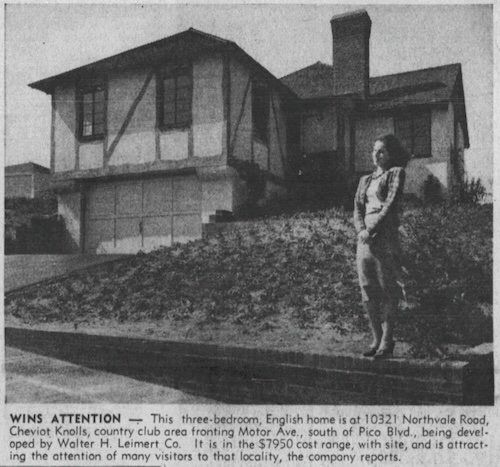
Nestled quietly within the larger Cheviot Hills area, Cheviot Knolls offers a serene, village-like atmosphere that sets it apart. Developed in the late 1930s (Tract 11566) on land carved from the historic Rancho Rincón de los Bueyes, the neighborhood appealed to homebuyers seeking a suburban retreat near Los Angeles.
Homes tend to sit on generous lots, many retaining original architectural details such as wrought-iron balconies, deep porches and mature landscaping. The streets here are lined by mature pepper and eucalyptus trees, giving the area a sense of timeless calm. Despite its tucked-away feel, Cheviot Knolls remains just minutes from the amenities of Century City, Westwood and the studios.
California Country Club Estates (a.k.a. “New Cheviot”)
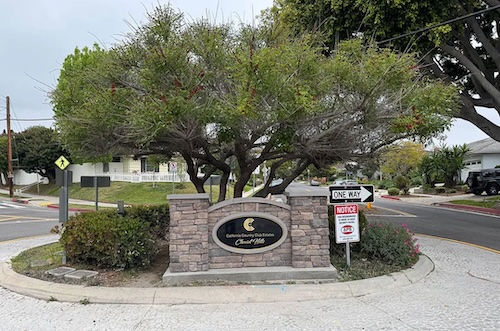
Often referred to as “New Cheviot,” this exclusive enclave occupies the former grounds of the well-known California Country Club, established in 1917 and later subdivided in the early 1950s. Between 1951 and 1955, the club’s grounds were converted into approximately 410 single-family residences by developer Sanford D. Adler, alongside the creation of a dedicated homeowners association to maintain architectural standards and neighborhood character.
Bound by Club Drive and Queensbury Drive, the area is marked off within Cheviot Hills with its own signage and landscaped medians. Homes here reflect mid-century era craftsmanship and design, modest at the time of build, but increasingly desirable. With the homeowners association’s binding CC&Rs remaining active, the enclave preserves a high degree of aesthetic integrity and unified appearance.
Country Club Highlands
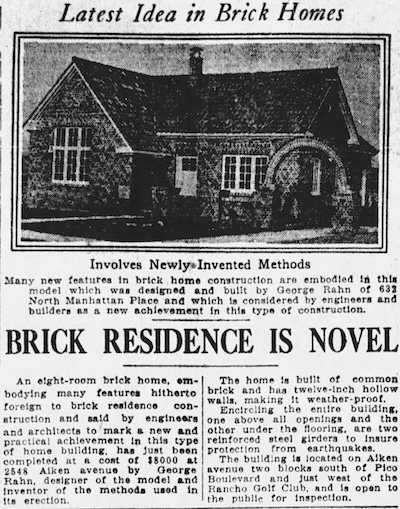
Dating back to 1923, Country Club Highlands is one of the earliest tract developments in the region. Developers began marketing the subdivision as “714 lots” in what was then an outer portion of Los Angeles, with home-site pricing as low as $750 in early advertisements. The area provided rolling terrain, mature tree cover and direct access to growing suburban infrastructure ideal for families and commuters alike.
Today, the neighborhood stands out for gracious homes, architectural variety (Spanish Revival, Colonial, early modern), and a placement adjacent to the Rancho Park Golf Course and Hillcrest Country Club, adding both prestige and recreational access.
Hillcrest View Estates
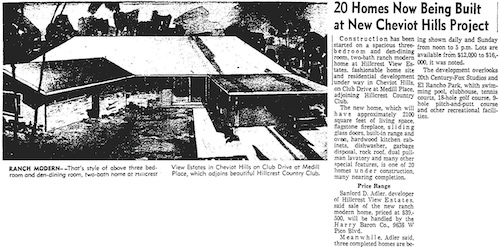
Developed in 1953 by Sanford Adler as a 68-lot mid-century enclave within Cheviot Hills, Hillcrest View Estates occupies land formerly part of Rancho Rincón de los Bueyes and is closely tied to the area’s evolving post-war residential expansion. Its homes reflect the mid-century ethos: clean lines, open plans, and ample use of glass and wood. For buyers seeking a period home with original character and a strong location, Hillcrest View offers both.
Monte Mar Vista
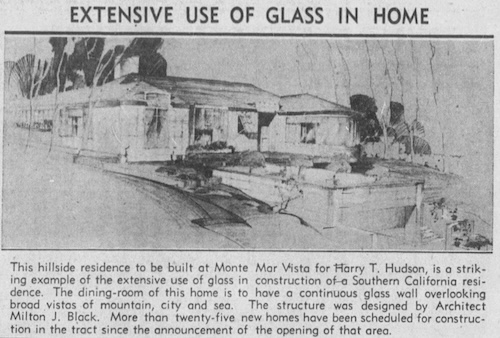
Sales in this residential tract began in 1926 and it stands as a fine representation of the early western expansion of Los Angeles during the automobile era. Located on gently sloping ground, many of the homes here enjoyed sweeping views of Rancho Park and Century City, emphasizing both landscape and modern lifestyle. Developers of the day marketed Monte Mar Vista as a prestigious escape, complete with large lots, mature landscaping and easy highway access.
Why These Sub-Neighborhoods Matter
Distinct identity: Although all fall under the broader Cheviot Hills umbrella, each enclave has its own history, developer story, and architectural character.
Legacy & continuity: From tract developments of the 1920s to post-war subdivisions of the 1950s, these neighborhoods reflect waves of Los Angeles development with consistency of quality and design.
Location advantage: Positioned near studios, business centers, major thoroughfares and leisure amenities (golf courses, country clubs, parks), they provide access and lifestyle.
Architectural richness: With preserved homes, mature trees, and thoughtful subdivision controls, these areas combine Westside elegance with residential calm.
Closing Thoughts
Together, these enclaves within Cheviot Hills offer one of the Westside’s most layered residential experiences. From the historic pathways of Country Club Highlands to the mid-century clarity of Hillcrest View Estates, each area presents its own flavor of Los Angeles living grounded in history yet open to the present. For buyers and residents alike, they offer refined addresses, strong location credentials, and environments shaped by thoughtful planning and sustained neighborhood stewardship.
Leave a Reply