
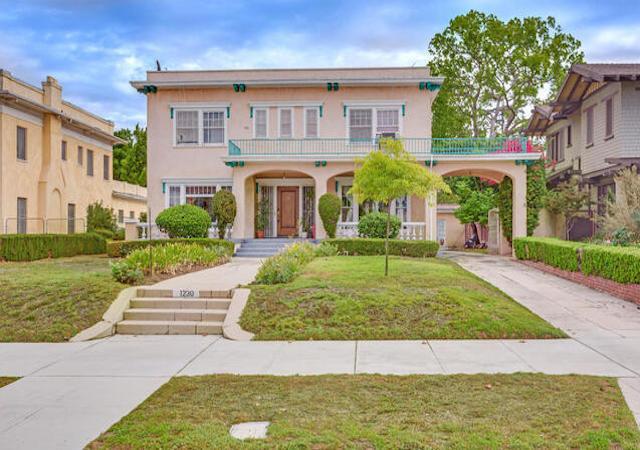
Historic charm, central convenience, and cinematic legacy in the heart of Los Angeles.
Location & Boundaries
Country Club Park is located in the Mid-City region of Los Angeles, bordered by:
- North: Olympic Boulevard
- West: Crenshaw Boulevard
- South: Pico Boulevard
- East: Western Avenue
It sits next to Arlington Heights and is partially gated along Gramercy Place, St. Andrews Place, and Wilton Place, offering a quiet, community-focused environment with limited through-traffic.
Historical Background
From Fairways to Front Yards
The name Country Club Park reflects its origin as a prestigious golf destination. In 1897, the Los Angeles Golf Club opened a 9-hole course called Windmill Links at Pico and Alvarado. Seeking more space, the club moved in 1899 to the corner of Pico and Western, what is now Country Club Park.
This site served as the club’s home until 1910, when the organization relocated again, this time to the area that would become The Los Angeles Country Club in Holmby Hills.
Residential Development
After the golf course was vacated, Isaac Milbank and his partner George Chase subdivided the land and began residential development. By the 1920s, the neighborhood was blossoming with grand homes and mansions designed in popular styles of the day, including:
- Craftsman
- Tudor Revival
- Spanish Colonial Revival
- Colonial Revival
- Mediterranean Revival
Development continued into the 1930s and 1940s, with some mid-century additions, creating a rich architectural tapestry that remains largely intact today.
Preservation Status
In 2010, Country Club Park was officially designated a Historic Preservation Overlay Zone (HPOZ) by the City of Los Angeles. The HPOZ recognizes the area’s exceptional architectural integrity, with many original homes preserved and protected.
Pop Culture Spotlight: American Horror Story
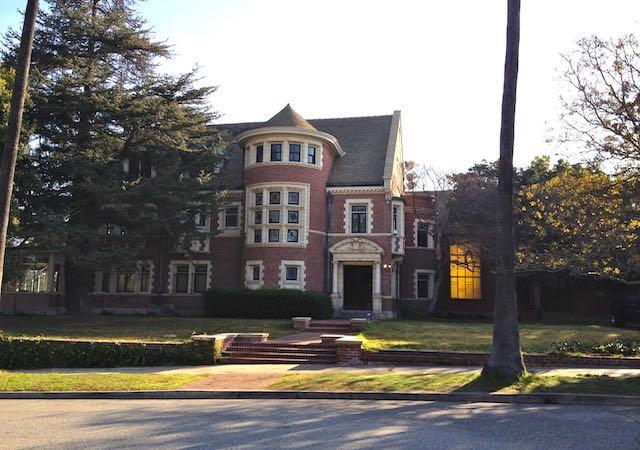
Perhaps the most famous home in the neighborhood is 1120 Westchester Place, also known as the “Murder House” from American Horror Story:
- Built in 1902 by noted architect Alfred Rosenheim, former president of the AIA’s LA chapter.
- Originally served as a private mansion and later a convent (a chapel once stood onsite but was digitally removed for filming).
- Featured in the pilot episode of American Horror Story (2011) and again in 2018’s Apocalypse and 2021’s American Horror Stories spinoff.
This home has since become a pilgrimage site for horror fans and architecture buffs alike.
Real Estate & Architecture
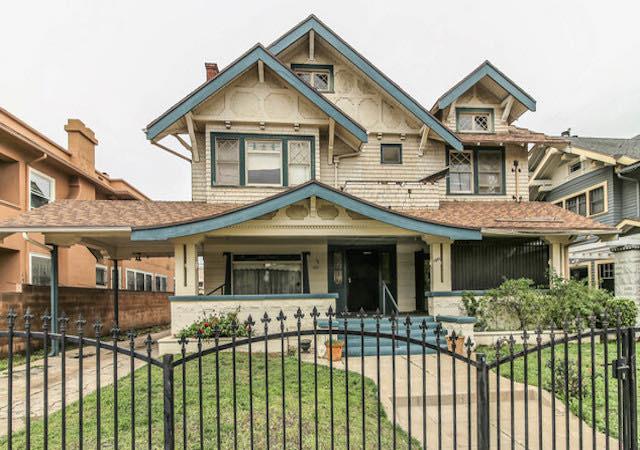
Country Club Park is known for its large, stately single-family homes, many of which feature:
- Expansive lots and wide setbacks
- Original architectural details like arched doorways, stained glass, and wood-beamed ceilings
- Elegant landscaping and mature trees
- Detached garages or guest houses
While most of the housing stock is single-family, a handful of low-rise multi-family properties are sprinkled along the neighborhood’s edges.
Parks & Community Spaces
- Country Club Park Heritage Plaza (1015 S. Wilton Place): A serene community park with picnic tables, play areas, and a walking path, serving as a central gathering space.
- Nearby attractions include Lafayette Park, Harold A. Henry Park, and the Wilshire Ebell Theatre just north of the area.
Accessibility & Lifestyle
- Transit: Served by several Metro lines and close to the Wilshire/Western Purple Line Station, with future transit enhancements under construction.
- Convenience: Quick access to Koreatown, Mid-Wilshire, and Downtown LA.
- Walkability: Highly walkable for residents, with nearby grocery stores, schools, and cafes.
- Schools: In proximity to both public and private schools, including the historic Wilshire Private School.
Fun Facts & Distinctions
- Gramercy Park Gateposts: Remnants of the original country club’s stone gateposts are rumored to still exist on some corners.
- Architectural Showplace: Several homes in the neighborhood have been featured in architectural tours, TV commercials, and film sets.
- Cultural Diversity: Country Club Park has long been home to a diverse community, including prominent figures in entertainment, business, and civic life.
Leave a Reply