
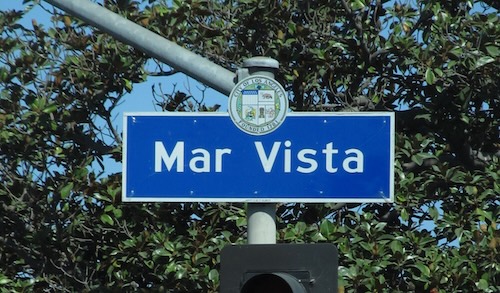
Like Los Feliz, Mar Vista breaks down into distinct pockets with their own histories and price tiers. Here are the key ones.
Mar Vista Hill
Mar Vista Hill is the neighborhood’s view crown and one of its most sought-after addresses. Located roughly between Inglewood Boulevard and Centinela Avenue east–west, and National Boulevard and Venice Boulevard north–south, this elevated area earns the “Mar Vista” name view of the sea with genuine ocean, city, and mountain views from many properties.
Homes on streets like Grand View, Mountain View, and Ocean View are particularly coveted. Originally built as modest post-war houses, many lots have since been redeveloped into larger, architect-designed residences, often with multiple levels, expansive glass, and strong indoor/outdoor connections. It’s not unusual to see new builds and high-end remodels trading in the multi-million-dollar range here.
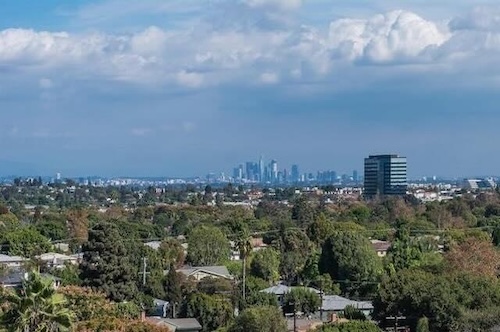
Beyond the homes and views, Mar Vista Hill also hosts community amenities such as North Venice Little League and the Ocean View Community Garden, both occupying a site that has, over the last century, been used as farmland, a city dump, an anti-aircraft artillery battery during World War II, and even a proposed reservoir location before becoming the green, community-oriented space it is today.
The vibe here is quietly upscale and residential, with a strong pride of place. Residents enjoy a hilltop micro-climate that often runs a bit cooler, plus quick access down to Venice Boulevard’s shops and restaurants or west toward the beach.
Westdale / Westdale Trousdale
Westdale (often referred to locally as Westdale Trousdale) is a quintessential single-family Mar Vista neighborhood with a cohesive, mid-century feel. Bounded roughly by Gateway Boulevard to the north, Palms Boulevard to the south, Sawtelle Boulevard to the east, and Bundy Drive to the west, Westdale sits in the northern part of the broader Mar Vista Community Council area.
The neighborhood was developed beginning in 1947 by noted builder Paul W. Trousdale, who later became famous for creating Trousdale Estates in Beverly Hills. Westdale started as Stephen’s Ranch, a landscape of citrus orchards and bean fields, before being transformed into a planned tract of about 450 single-story homes.
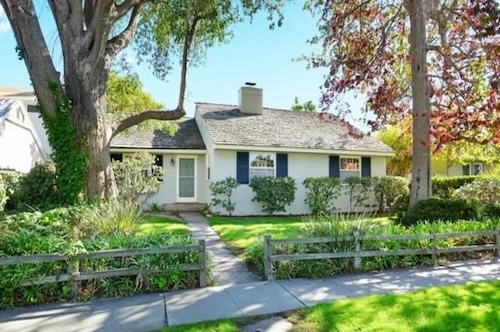
Today, Westdale retains its post-war charm: mostly one-story homes, generous front yards, tree-lined streets, and a friendly, almost small-town atmosphere. Many properties have been remodeled and expanded, but the scale and rhythm of the neighborhood remain remarkably cohesive.
Residents are drawn to Westdale for its quiet streets, strong neighborhood association, and proximity to Mar Vista Park, local schools, and major corridors, with quick access to the 10 and 405, but a distinctly tucked-away residential feel.
Mar Vista Oval District
The Mar Vista Oval District is a distinctive historic pocket sometimes called the “Beverly Hills of Mar Vista.” You can spot it instantly on a map by the oval ring formed by Marcasel Avenue and East Boulevard between Venice Boulevard and Washington Boulevard.
Laid out around 1912 as the Palm Place development north of Washington and south of the Venice Short Line tracks (now Venice Boulevard), the area originally included walnut orchards and one of the oldest eucalyptus groves in Los Angeles. Many of the streets are still lined with century-old Canary Island palms, reinforcing the historic, park-like feel.
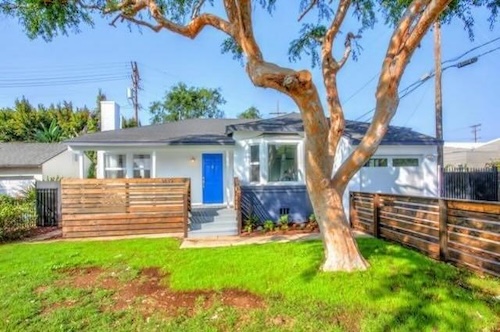
Lots in the Oval District tend to be larger than typical Mar Vista parcels, with wide, tree-lined streets and substantial single-family homes. Architectural styles vary, from original early 20th-century houses to 1950s ranches and modern replacements, but the overall impression is of a gracious, established neighborhood with a clear identity.
The Oval’s combination of lot size, greenery, and central Westside location makes it especially attractive to buyers who want a more traditional, “old-LA” residential setting without leaving Mar Vista’s core.
Mormon Hill & Venice/Grand View Historic Commercial District
A four-block-wide section of central Mar Vista, centered along Venice Boulevard between roughly Centinela and Stewart, has long been known informally as Mormon Hill. Starting in the 1920s, members of the Church of Jesus Christ of Latter-day Saints settled the Mar Vista Park tract here, and many early shops along Venice were built to serve that community. The area is still anchored by a large LDS church at Windward and Centinela.
Layered onto this is the Venice/Grand View Historic Commercial District, Mar Vista’s historic “downtown.” Buildings dating from the mid-1920s through about 1960 form a low-rise commercial corridor that once included the original Mar Vista Library and continues to host a mix of independent businesses today, tattoo parlors, bars, craft coffee, and more.
This stretch of Venice Boulevard has had a colorful past, its commercial buildings and liquor stores figure into local crime stories from the 1950s and into more recent conversations about gentrification and nightlife, but today it’s also home to a weekly farmers market and evolving mix of neighborhood-serving spots.
For residents, Mormon Hill and the Venice/Grand View district provide a historic, slightly gritty but rapidly evolving main street, balancing new energy with visible layers of Mar Vista’s past.
South of Venice: Apartment & Dingbat District
The area south of Venice Boulevard has a different physical character than the single-family tracts to the north. Much of this section is zoned for multi-family housing, and it contains a high concentration of classic 1950s–60s “dingbat” apartment buildings—two-story structures with parking at grade and units above.
These buildings are often under rent stabilization, which has helped maintain a relatively stable renter population even as Westside real estate prices have surged. The result is a denser, more urban part of Mar Vista, with a strong community of long-term tenants, smaller walk-up buildings, and a mix of incomes and backgrounds.
Architecturally, this pocket isn’t about individual showpiece homes so much as mid-century multifamily character: breeze-block details, vintage signage, and slowly modernizing façades. For many, this area offers a more accessible entry point into Mar Vista while keeping the same access to Venice Boulevard, transit, and nearby beaches.
Broader Mar Vista Flats & Residential Grid
Beyond these named pockets, the broader Mar Vista flats north of Venice Boulevard make up much of the neighborhood’s fabric. Here you’ll find:
- Blocks of post-war single-family homes, many updated or expanded
- Increasing numbers of modern infill houses and duplexes on existing lots
- Quiet residential streets that still feel very “neighborhoody” despite proximity to major corridors
These streets appeal to buyers who want traditional Westside single-family living without the price point of Santa Monica or Venice, yet still close to those markets, Culver City’s job centers, and Silicon Beach.
Who Mar Vista Is Perfect For
Mar Vista is a great fit if you’re looking for:
- A Westside neighborhood with a genuine community feel, not just a through-corridor
- A choice between view homes on Mar Vista Hill, historic character pockets like the Oval District and Westdale, and more urban apartments south of Venice
- Close proximity to Venice Beach, Santa Monica, Culver City, and major freeways
- A mix of long-time residents, young families, creatives, and professionals, plus active neighborhood associations and a visible civic voice
From the ocean-view streets of Mar Vista Hill to the palm-lined blocks of the Oval District, the mid-century calm of Westdale Trousdale, and the historic commercial strip along Venice and Grand View, Mar Vista offers multiple ways to plug into one of the Westside’s most quietly dynamic neighborhoods.
Leave a Reply