
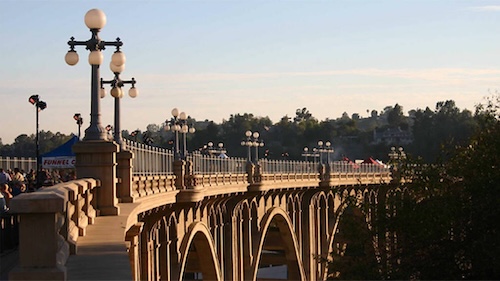
An “old California” city with real neighborhood variety – Old Town energy, landmark architecture, and leafy residential districts
Pasadena is one of the few places in L.A. County that reads like a complete city: a historic downtown, multiple walkable commercial districts, major cultural institutions, and residential neighborhoods that range from Craftsman bungalow streets to hillside view pockets. The City itself highlights key activity centers like Old Pasadena (Old Town), the Civic Center, the Playhouse District, and South Lake Avenue as major hubs.
Where Pasadena “sits” and how it lives
Pasadena runs up against the San Gabriel foothills and has a strong “city + neighborhood” layout: you can do a day of museums, dining, and shopping without leaving town, then be on quiet, tree-lined streets minutes later. Transit access is also a real factor now with Metro rail stops serving Pasadena (helpful for lifestyle/commute framing).
Pasadena’s main districts and micro-neighborhoods
1) Old Pasadena (Old Town)
Pasadena’s most visitor-friendly core – historic buildings, shopping/dining density, and the classic Colorado Blvd streetscape. Old Pasadena’s own district organization frames it as the heart of the “Old Pasadena” experience.
Best for: walkability, dining nights, events, and “park once” weekends.
2) Playhouse Village
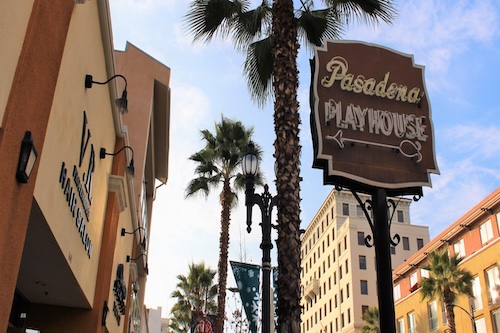
Playhouse Village is a lively pocket adjacent to Old Town with theaters, restaurants, and a more “local weeknight” feel. It’s frequently highlighted as one of Pasadena’s named neighborhoods/districts.
Best for: culture nights, date-night loops, and people who want downtown proximity without being in Old Town.
3) Civic Center District
A major historic/civic anchor area, monumental architecture, civic buildings, and a strong sense of Pasadena’s legacy as a planned city center. Pasadena’s planning/context materials and historic district maps call out the Civic Center as a key activity center and designated district.
Best for: grand architecture, history, and walkable access to downtown.
4) South Lake Avenue District
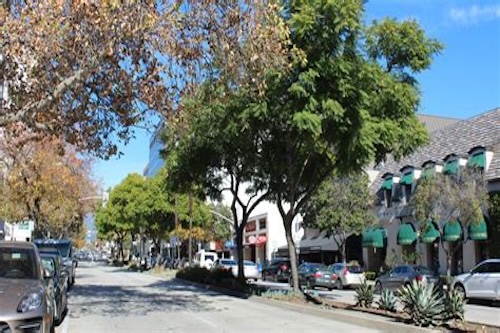
Pasadena’s “modern shopping corridor” with a more contemporary, polished feel – boutiques, restaurants, and daily convenience. It’s consistently listed among Pasadena’s core neighborhood destinations.
Best for: errands + dinner, upscale retail, and a clean “city lifestyle” vibe.
5) North Lake (and its sub-areas)
A large area organized around Lake Avenue as a major corridor, with multiple sub-neighborhoods called out in neighborhood references.
Best for: a more local, day-to-day Pasadena feel, with pockets of historic housing.
6) Bungalow Heaven (Landmark District)
One of Pasadena’s signature historic residential areas—famous for early 20th-century bungalows and preservation protections. It’s recognized as a National Register Historic District, and local preservation materials emphasize its role in protecting architectural character.
On the ground: wide, tree-lined streets and a deep inventory of Craftsman-era homes.
7) Historic Highlands and other designated historic districts
Pasadena has multiple designated historic and landmark districts beyond Bungalow Heaven, mapped by the City.
Best for: architecture-forward buyers and readers who care about protected neighborhood character.
8) Arroyo Seco / Arroyo-adjacent pockets (West Pasadena edge)
A defining natural feature on Pasadena’s west side with parks, trails, and the dramatic landscape that also frames some of Pasadena’s most iconic infrastructure. The City’s historic district mapping even calls out Arroyo-related districts.
Best for: outdoorsy lifestyles, views, and Pasadena’s “nature next to the city” feel.
Architecture and housing character
Pasadena is one of the best cities in the region for “architecture people,” because the inventory spans multiple eras:
- Arts & Crafts / Craftsman: Pasadena is globally associated with the Arts & Crafts movement, anchored by landmarks like the Gamble House.
- California bungalows (late 1800s–1920s): especially concentrated in districts like Bungalow Heaven, developed largely between the late 19th century and 1929.
- Spanish Revival / Tudor Revival / Period styles: explicitly noted in preservation materials describing the mix within historic districts like Bungalow Heaven.
- Mid-century and contemporary updates: many Pasadena neighborhoods have a steady pattern of respectful restorations plus modern rebuilds and additions (varies by district and review overlays).
Special historic locations and “only in Pasadena” landmarks
The Gamble House (1908)
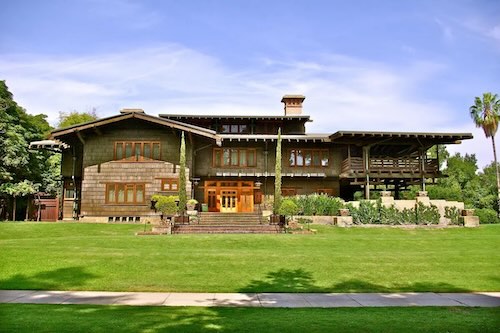
A world-famous Arts & Crafts masterpiece by Greene & Greene, and one of Pasadena’s most important architectural destinations.
Colorado Street Bridge
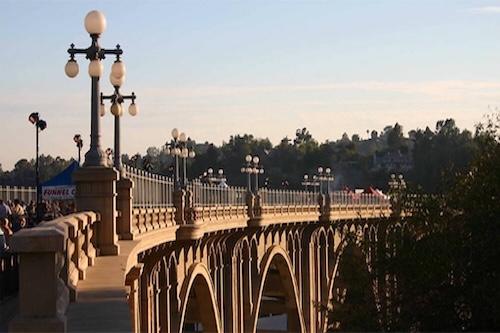
A signature Pasadena landmark spanning the Arroyo Seco, known for its arches and iconic appearance in film/TV (often cited as a must-see Pasadena structure).
Pasadena’s designated historic & landmark districts
If you want your guide to feel “official” and deeply local, referencing Pasadena’s own historic district mapping is a strong move, it shows how much of Pasadena’s identity is protected and documented.
Old Pasadena streetscape (Colorado Blvd core)
Old Pasadena functions as a visual landmark in itself, historic facades, signage, and the “classic Pasadena” street-life pattern.
Bungalow Heaven Historic District
Not just “cute houses”, it’s formally documented as a historic district with hundreds of contributing buildings and a well-defined historic period of development.
Pasadena delivers a rare mix in Los Angeles: a real downtown you can wander (Old Pasadena and the Playhouse Village), landmark architecture that’s genuinely world-class, and residential streets that still feel leafy, historic, and lived-in, especially in Craftsman-rich pockets like Bungalow Heaven. Whether your day is built around museums and civic landmarks, shopping along South Lake, a sunset walk in the Arroyo Seco, or a game-day loop at the Rose Bowl, Pasadena offers “do-it-all” lifestyle energy while keeping its classic California character intact.
Leave a Reply