
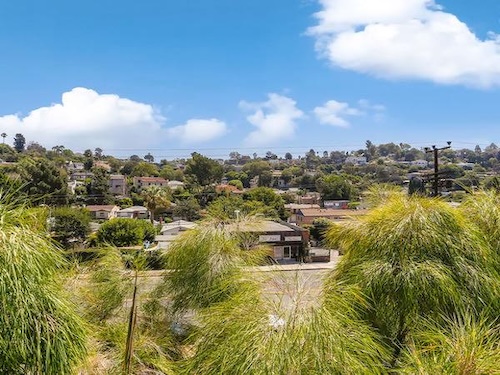
Los Feliz is one of those rare Los Angeles neighborhoods that feels like its own small city: historic, green, a little glamorous, and deeply lived-in. Sitting at the base of Griffith Park, it blends landmark architecture, hillside streets, walkable café life, and quiet residential pockets into one cohesive, highly sought-after community.
Location & setting
Los Feliz is nestled just south of Griffith Park, with Hollywood Boulevard to the south, Western Avenue to the west, and roughly the L.A. River and Hyperion/Silver Lake to the east. Its northern edge rises into the park’s canyons and hills, giving many streets sweeping city and hillside views, while the southern and eastern portions feel more urban and walkable.
Because it sits between Hollywood, Silver Lake, and Atwater Village, Los Feliz functions as a crossroads: you’re minutes from soundstages, independent theaters, nightlife, and big open space, yet the neighborhood itself keeps a mellow, village-like pace.
Historical background
Los Feliz traces its roots to Rancho Los Feliz, a Spanish land grant that once covered a huge swath of what’s now Griffith Park, Los Feliz, and parts of Silver Lake. After passing through several owners, much of the rancho eventually came under the control of Griffith J. Griffith, a Welsh immigrant and mining entrepreneur. In 1896 he donated over 3,000 acres to the City of Los Angeles, creating what is now Griffith Park, one of the largest municipal parks in the country.
Throughout the early 20th century, the hills and flats that make up modern Los Feliz were subdivided into residential tracts. Many of them were developed as “garden suburb” neighborhoods with curving streets and carefully planned landscaping. Over time, Los Feliz became home to oil and entertainment industry figures, writers, architects, and creatives—creating a culture that still feels distinct from both Hollywood and the more bohemian energy of neighboring Silver Lake.
Architecture & landmarks
Los Feliz is unusually rich architecturally. The neighborhood includes work by Frank Lloyd Wright, Richard Neutra, R.M. Schindler, Wallace Neff, Gordon Kaufmann, Paul R. Williams, and others. Notable landmarks include:
- Hollyhock House, Wright’s Mayan-inspired 1921 residence at Barnsdall Art Park, now a UNESCO World Heritage Site.
- Neutra’s Lovell Health House, one of the earliest International Style homes in the U.S.
- Dozens of Historic-Cultural Monuments scattered across the hills and village streets, from grand estates to distinctive apartment houses.
The architectural mix runs from 1920s Spanish Colonial Revival and Storybook homes to Streamline Moderne apartments, mid-century modern hillside houses, and carefully designed contemporary infill.
Parks, open space & Griffith Park connection
One of Los Feliz’s defining features is its direct, everyday relationship with Griffith Park. The neighborhood’s northern edge backs onto more than 4,000 acres of canyons, trails, and open space. Residents head into the park for hiking, dog walks, picnics, and iconic experiences at:
Griffith Observatory – with its hilltop lawns, planetarium, and sweeping views.
The Greek Theatre – an outdoor concert venue nestled into the canyon.
A network of trails that locals use for quick morning loops or long weekend hikes.
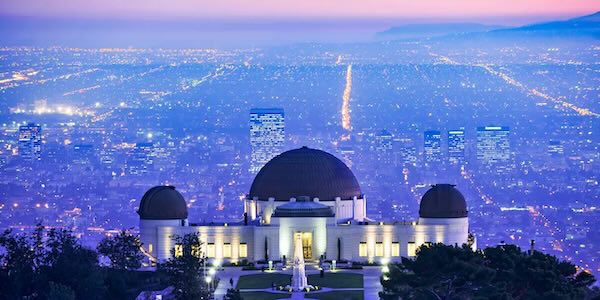
This park adjacency is part of what makes Los Feliz feel like a hillside retreat as much as a central city neighborhood.
Lifestyle & commercial corridors
The social and commercial heart of Los Feliz is Los Feliz Village, centered around the Vermont and Hillhurst corridors. Here you’ll find coffee shops, independent bookstores, vintage and clothing boutiques, record shops, bars, a classic single-screen movie theater, and an array of restaurants.
Franklin Avenue adds another layer with older apartment buildings, small hotels, and a few quirky landmarks, everything from idyllic 1920s structures to cult-favorite local oddities that have become minor pop-culture attractions.
Day to day, Los Feliz is one of the more walkable hillside neighborhoods in LA: you can live on a quiet residential block and still stroll to coffee, groceries, and dinner, or drop straight into a trailhead a few minutes from home.
Los Feliz Micro-Neighborhoods
Within the broader neighborhood, several distinct pockets stand out. Each has its own topography, housing stock, and feel.
Los Feliz Village
Los Feliz Village is the neighborhood’s cultural and commercial core. Most of the action clusters along Vermont Avenue, Hillhurst Avenue, and nearby side streets, framed by mid-century and pre-war apartment buildings, small courtyard complexes, and a few historic mixed-use structures.
Here the lifestyle is urban and social: brunch spots and coffee bars in the morning, bookstores and boutiques in the afternoon, and bars, restaurants, and the vintage movie theater at night. Many residents live in condos, small multi-unit buildings, and classic apartment houses with easy access to everything on foot.
This area is ideal for those who want Los Feliz’s architecture and Griffith Park access but prioritize walkability, nightlife, and studio commutes over big lots or views.
Franklin Hills
Franklin Hills occupies the hilly southeast corner of Los Feliz, bordered roughly by Franklin/Tracy to the north, Commonwealth/Hoover to the west, Fountain to the south, and Hyperion to the east (where Los Feliz meets Silver Lake).
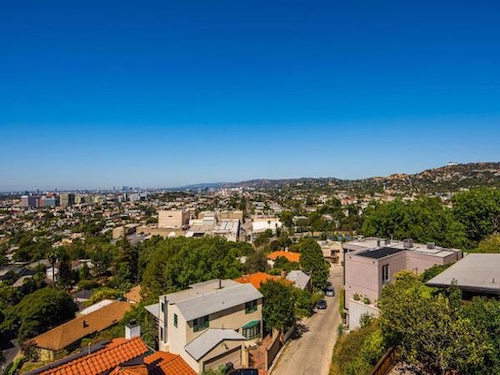
It’s known for its historic stair streets including Radio Walk, Prospect Walk, and others, that climb between winding streets and offer unusual perspectives on the homes and views. The neighborhood also hosts the beloved Shakespeare Bridge, a small Gothic-style concrete bridge that feels almost European, and was once home to brothers Walt and Roy Disney, who lived near Lyric Avenue and St. George Street.
Homes in Franklin Hills range from 1920s–30s cottages to mid-century hillside houses and newer contemporary infill, often stacked along steep slopes with balconies and terraces. Many properties enjoy views toward Silver Lake, the downtown skyline, or the hills of Griffith Park. It’s a great fit for those who like stair walks, character homes, and a slightly off-grid hilltop vibe close to both Los Feliz Village and Silver Lake.
The Oaks
The Oaks is a leafy hillside neighborhood on Los Feliz’s northern edge, directly beneath the southern flank of Griffith Park. It’s bordered by Foothill Drive to the south, Griffith Park to the north, Canyon Drive to the west, and Fern Dell Drive to the east.
Many streets here are named after different types of oak trees, winding along the slopes past 1920s Revival-style homes and later hillside properties. Architectural styles include Spanish Colonial Revival, traditional, and mid-century designs, often with generous decks, patios, and gardens tucked into the terrain.
The Oaks feels particularly secluded, with quiet streets, mature landscaping, and quick access into Griffith Park via Fern Dell or Canyon Drive. Homes often have canyon or city views, and the atmosphere is “classic old-Los-Feliz hillside” serene, green, and residential.
Hollywood Grove
Between Franklin Avenue and The Oaks lies Hollywood Grove, a small but significant historic pocket and the only part of Los Feliz formally designated as a Historic Preservation Overlay Zone (HPOZ). It protects a concentration of about 139 Craftsman, Colonial, and Mediterranean homes dating from the early 1900s.
Hollywood Grove’s streets feel almost like a preserved film set of early Hollywood life, with period details, deep front porches, shingled facades, classic rooflines carefully maintained. The HPOZ status helps ensure that renovations respect the historic streetscape, preserving the neighborhood’s character.
For buyers who love authentic early 20th-century architecture and a quiet, tree-lined setting near both Franklin Avenue and the park, Hollywood Grove is a small but highly prized micro-neighborhood.
Laughlin Park
Laughlin Park is Los Feliz’s legendary gated enclave, long regarded as one of Los Angeles’s top luxury neighborhoods. Created in the early 1900s and actively marketed as an exclusive villa district starting in 1913, it occupies a knoll between Los Feliz Boulevard and Franklin Avenue, with access through a series of five ornate gates on Laughlin Park Drive, Cummings Drive, and De Mille Drive.
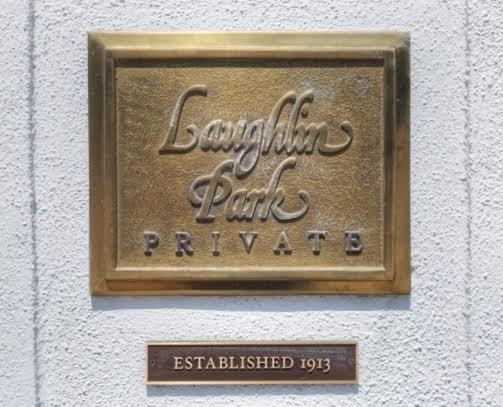
The community was conceived as a planned residential park, with curving private streets, planted slopes, and strict early building standards. Over time it attracted major architects and Hollywood figures, and today it offers a mix of Craftsman, Spanish Colonial Revival, Mediterranean Revival, and mid-century modern estates, many of them designated Historic-Cultural Monuments.
Homes in Laughlin Park are large, private, and often set behind walls or hedges, with views across Los Feliz and toward the Hollywood Hills. It’s a haven for buyers who prioritize security, seclusion, and architectural pedigree, while still being moments from Los Feliz Village and Griffith Park.
Los Feliz Estates
Los Feliz Estates is a quiet mid-century hillside neighborhood tucked directly beneath Griffith Park, usually accessed off Los Feliz Boulevard and winding up toward the park. The area is characterized by broad, curving streets and homes built largely in the mid-20th century, many with clean modern lines, low-slung profiles, and expansive glass.
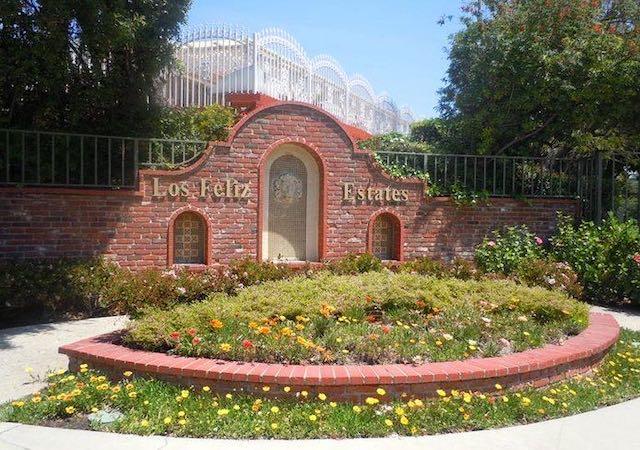
Lots tend to be generous but more uniformly planned than in the older, organic hillside tracts, and many residences capture city, canyon, or Observatory views. With its combination of mid-century architecture, proximity to the park, and relatively quiet streets, Los Feliz Estates feels like a self-contained modernist enclave within the larger neighborhood.
It’s especially appealing to buyers who love mid-century design, privacy, and quick trail access, and who want hillside living without the tight, irregular street patterns of older hill tracts.
Broader Los Feliz hills & flats
Beyond these named pockets, Los Feliz also includes:
- Tree-lined streets of pre-war single-family homes south of Los Feliz Boulevard, many in Spanish, Tudor, and traditional styles.
- Classic apartment buildings and courtyard complexes closer to Hollywood Boulevard and along key corridors, often with great bones and period details.
Together, they create a layered housing landscape, from hillside estates and architect-designed landmarks to more accessible apartments and small condo buildings, while keeping a consistent sense of neighborhood identity.
Who Los Feliz is perfect for
Los Feliz is ideal if you’re drawn to:
A walkable, village-style neighborhood with real café and cultural life.
Immediate access to Griffith Park for hiking, running, dog walks, and concerts.
Architecture with history, from Wright and Neutra icons to charming 1920s homes and mid-century hillside houses.
A central Eastside location with easy reach to Hollywood, studios, Silver Lake, and Downtown.
From the historic gates of Laughlin Park to the stair streets of Franklin Hills and the mid-century calm of Los Feliz Estates, this neighborhood offers multiple ways to plug into one of Los Angeles’s most enduring and character-rich communities.
Leave a Reply