
Lake Balboa sits in the heart of the San Fernando Valley, offering one of the best “have-it-both-ways” lifestyles in Los Angeles: leafy, residential streets and big green parks, with quick access to freeways, jobs, and the rest of the city. Officially recognized as its own neighborhood in 2007, Lake Balboa was carved out of what had long been considered Van Nuys and named for its signature attraction, Lake Balboa Park.
History & Neighborhood Origins
Before the Lake Balboa name appeared on blue community signs, this area was simply part of Van Nuys, one of the Valley’s earliest subdivisions. In the early 2000s, residents began lobbying for a distinct identity that reflected their large regional park and more residential feel. The Los Angeles City Council approved the renaming in 2007, making Lake Balboa the newest community in Council District 6.
The neighborhood’s housing stock reflects classic post-war Valley growth. Many homes were built between the 1940s and late 1960s, with additional development in the 1970s–1990s, giving the area a mature, established character rather than a master-planned feel.
Location, Boundaries & Getting Around
Lake Balboa occupies a central slice of the San Fernando Valley, bordered by Northridge to the north, Van Nuys to the east, the open space of the Sepulveda Basin to the south, and Reseda to the west.
Roughly speaking, its boundaries are:
- Roscoe Boulevard to the north
- White Oak Avenue and Louise Avenue on the west
- Victory Boulevard to the south
- The 405 freeway, Van Nuys Airport, and adjacent streets to the east
From here, residents have straightforward access to both the 405 and 101 freeways, making commutes to Sherman Oaks, Encino, Studio City, or even the Westside considerably easier than from many other Valley pockets.
Homes & Architecture
Lake Balboa’s housing is primarily a mix of single-family homes, low-rise apartment buildings, and a scattering of townhomes and condos. About 40–45% of units are detached single-family houses, often on generous lots with front lawns, mature shade trees, and room for outdoor entertaining.
Architecturally, you’ll see:
- Classic mid-century ranch homes from the 1940s–1960s
- Modest bungalows and cottage-style homes on quiet residential streets
- Post-1970 condo and apartment buildings along busier corridors
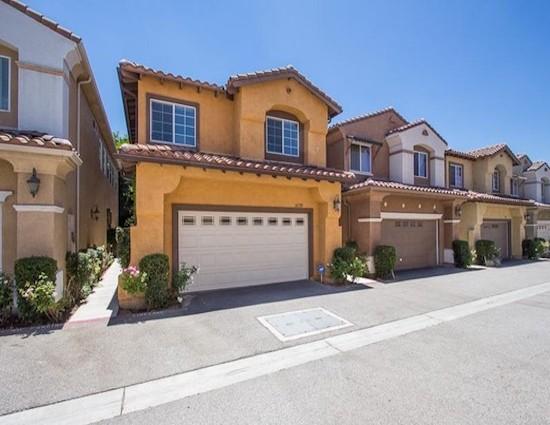
Many properties have been updated with open-concept kitchens, modern flooring, and drought-tolerant landscaping, but the neighborhood still feels distinctly “Valley” more relaxed and less polished than nearby Encino, with a strong sense of everyday livability.
Lake Balboa Park & the Outdoor Lifestyle
The neighborhood’s heart is Lake Balboa / Anthony C. Beilenson Park, an 80-acre green oasis within the larger Sepulveda Basin Recreation Area. The 27-acre man-made lake, filled with reclaimed water from the adjacent Tillman Water Reclamation Plant, is ringed by lawns, picnic areas, a 1.3-mile walking/jogging path, and bike routes that connect into miles of trails throughout the basin.
Visitors can:
- Stroll or run around the lake on the dedicated footpath
- Rent pedal boats or paddle kayaks on the water
- Fish from designated grassy areas (with a license)
- Spread a blanket for a picnic under the trees
- Let kids loose on the large playgrounds and open fields
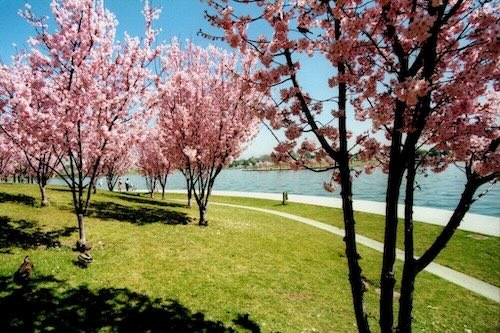
One of Lake Balboa’s signature experiences is springtime, when hundreds of Japanese cherry blossom trees burst into bloom around the shoreline, creating a pink canopy that has become one of LA’s most photographed seasonal displays. The trees, largely Pink Cloud cherry varieties planted in the early 1990s, have made Lake Balboa a local favorite for hanami-style picnics and cherry-blossom viewing.
The Japanese Garden & Tillman Water Reclamation Plant
Just east of the lake, within the Sepulveda Basin, you’ll find one of the Valley’s true hidden gems: The Japanese Garden (Suihō-en, “Garden of Water and Fragrance”), a 6.5-acre formal Japanese garden built between 1980 and 1983 on the grounds of the Donald C. Tillman Water Reclamation Plant.
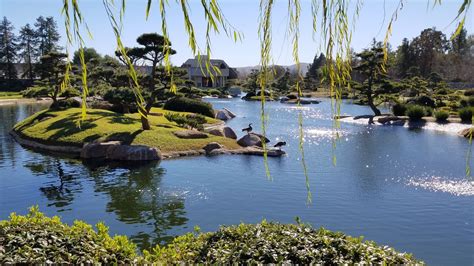
Designed by landscape architect Dr. Koichi Kawana, the garden is a sequence of:
- A dry Zen meditation garden with symbolic rock compositions
- A strolling “wet” garden with ponds, bridges, lanterns, and precisely sculpted pines
- A traditional Shoin building and tea house tucked beside the water
The ponds and irrigation here use reclaimed water from the plant, making the site both a landscape showcase and a subtle educational statement about sustainable water use in Los Angeles. The garden has been ranked among the top public Japanese gardens in the U.S. and has doubled as an otherworldly backdrop for numerous film and TV productions, including Star Trek: The Next Generation and other sci-fi series.
Sepulveda Basin, Woodley Park & Active Recreation
For residents who love being outdoors, Lake Balboa’s southern edge is an enormous playground. The broader Sepulveda Basin Recreation Area spans roughly 2,000 acres of open space along a soft-bottom stretch of the LA River and includes:
- Woodley Park, with archery ranges, cricket fields, wildlife areas, and picnic grounds
- The Sepulveda Basin Wildlife Reserve, popular for bird-watching and nature walks
- Nearby golf courses and a large multi-field sports complex with baseball and soccer facilities
- Access to the G Line (Orange Line) bikeway, which runs all the way from North Hollywood to Chatsworth
On weekends, you’ll see everything from family barbecues to cycling clubs, model-boat enthusiasts, and dog walkers using the interconnected paths and parks.
Everyday Conveniences & Community Feel
Beyond its parks, Lake Balboa has the practical amenities that make daily life easy: neighborhood shopping centers, supermarkets, casual dining, and plenty of small local businesses lining major corridors. An above-average public school profile and a strong mix of families and young professionals give the neighborhood an “urban-suburban” blend, residential and home-oriented, but not sleepy.
Architecturally, you won’t find the grand estates of Encino or the high-rise skyline of Warner Center. Instead, Lake Balboa leans into comfortable, modest homes, walkable residential blocks, and access to some of the Valley’s best open space just a few minutes from your front door.
Why People Choose Lake Balboa
For many buyers and renters, Lake Balboa hits a sweet spot:
- More affordable than many neighboring communities
- A genuine neighborhood feel, with long-term residents and tree-lined streets
- Exceptional park access, from cherry blossoms and paddle boats to quiet garden strolls
- Convenient freeway and transit connections for commuting or exploring the rest of LA
If you’re looking for a Valley neighborhood where you can walk the dog by the lake at sunset, spend weekends biking the Sepulveda Basin, and still be on the 405 or 101 in just a few minutes, Lake Balboa offers a compelling mix of lifestyle, value, and everyday livability.
Leave a Reply