
Glassell Park is a quintessential Northeast LA hillside neighborhood set in the San Rafael Hills, prized for winding streets, layered views, and a mix of old-school charm and newer creative energy. It sits near Eagle Rock, Mount Washington, Atwater Village, and Glendale, and includes both quieter residential pockets and more active corridors closer to major throughways. The area’s topography shapes daily life here, homes often step with the slope, views are a major draw, and, like other brush-adjacent hillsides, the neighborhood can be affected by LAFD “red flag” day parking restrictions in certain zones.
What locals mean by the “micro-neighborhoods” inside Glassell Park
Glassell Park doesn’t have a universally accepted set of formal sub-neighborhood names, but in real estate and local conversation, these informal pockets help explain the vibe differences from block to block:
Glassell Park Hills (upper slopes)
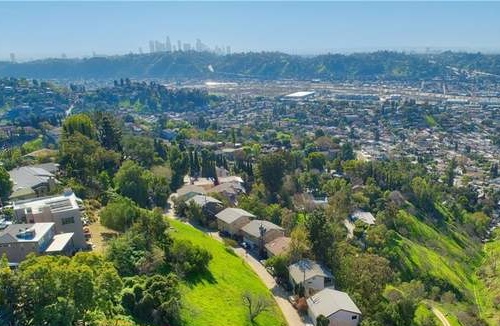
This is the most “view-forward” part of the neighborhood. Expect more multi-level floor plans, decks, terraced yards, and a higher proportion of remodeled and newer contemporary builds that lean into glass and indoor-outdoor living. The hillside setting is the lifestyle feature here.
Verdugo Road / Eagle Rock Blvd-adjacent pocket
This central zone tends to feel more traditionally “neighborhood residential,” with easier everyday access and a strong mix of early-to-mid 20th-century homes. It’s the pocket many buyers associate with Glassell Park’s classic Northeast LA character.
Fletcher Drive / River-edge influence
Near the LA River corridor, Glassell Park’s identity intersects with the region’s industrial and rail history and its newer green-space renaissance. This pocket is where some of the most important civic and historic landmarks live.
These aren’t rigid borders, more like helpful mental maps that can guide your content modules and buyer guidance.
Historical roots
The land that became Glassell Park was once part of Rancho San Rafael, granted in 1784 to José María Verdugo. In the late 1800s, attorney Andrew Glassell and his law partner Alfred Chapman acquired substantial portions of the rancho, with the landmark Great Partition of 1871 shaping how the land was divided. The neighborhood later took Glassell’s name, and several streets still reflect his family and circle, Toland, Drew, Andrita, and Marguerite among them. Subdivision activity accelerated in the early 1900s, followed by Los Angeles annexation in the 1910s, which helped formalize the neighborhood’s civic footprint.
Architectural character
Glassell Park’s housing stock is a true Northeast LA blend:
- Craftsman and bungalow-era homes that anchor many older streets.
- Spanish Revival and period cottages in select pockets.
- Postwar ranch homes that often serve as the base for thoughtful expansions.
- Mid-century modern gems tucked into the hills.
- Contemporary hillside builds that maximize views and flexible indoor-outdoor layouts.
The big architectural throughline is adaptation to terrain: split-level designs, dramatic entry sequences, and outdoor spaces engineered into the slope. This makes Glassell Park especially attractive to buyers who want character and a more modern, design-forward lifestyle.
Landmark + fun fact anchors worth highlighting
Van de Kamp Bakery Building
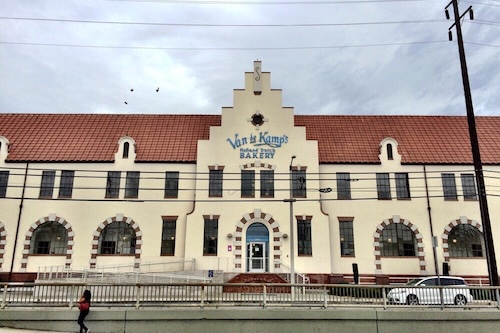
One of Glassell Park’s most iconic structures, the Van de Kamp Bakery Building was completed in 1931 and designed by J. Edwin Hopkins in a distinctive Dutch Renaissance Revival style. It is a designated Los Angeles Historic-Cultural Monument and remains a striking example of themed industrial-era architecture in the city.
Rio de Los Angeles State Park (Taylor Yard legacy)
The neighborhood’s river-adjacent story is deeply tied to the former Taylor Yard rail facility. That industrial expanse was transformed into the 247-acre Rio de Los Angeles State Park, which opened in 2007 and now provides wetlands restoration, sports fields, and community recreation along the LA River. This shift from rail infrastructure to green space is one of the most meaningful quality-of-life narratives in modern Glassell Park.
Glassell Park Community Garden
A powerful local transformation story: the community garden emerged after authorities demolished a notorious gang-related property on Drew Street, turning a once-feared block into a symbol of neighborhood resilience and renewal.
The “Glassellland” sign
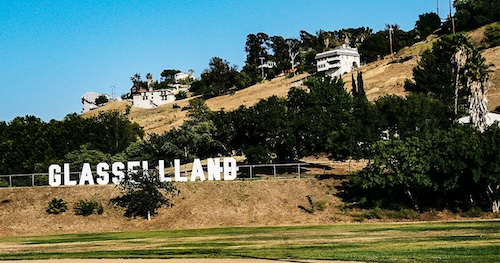
In 2013, a local artist installed the playful “Glassellland” letters on a hillside, an affectionate nod to “Hollywoodland.” The sign became a beloved piece of Northeast LA lore and a fun shorthand for local pride.
Lifestyle snapshot
Glassell Park appeals to people who want:
- A quieter, hillside residential feel
- Proximity to Eagle Rock, Atwater Village, and the broader Northeast LA dining and creative scene
- A neighborhood where older architectural character and modern renovations coexist naturally
- Access to growing river-adjacent recreation
Why it stands out
Glassell Park’s magic is in its contrast: modest early homes and architecturally interesting hillside properties, old rancho history and modern river revitalization, long-term community roots and newer creative momentum. It feels authentic, a little off the main path, and increasingly prized for buyers who want a Northeast LA lifestyle with views, personality, and a strong sense of place.
Leave a Reply