
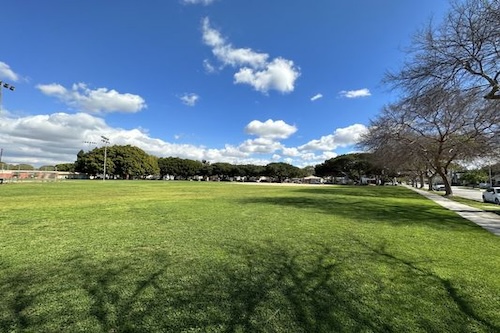
A true L.A. “company town” turned Westside lifestyle hub with studios, design, walkability, and surprisingly varied residential pockets
Culver City is one of the few places in Los Angeles where the identity is instantly clear: it’s a film-and-television powerhouse with a real downtown core, a strong civic footprint, and neighborhoods that range from classic 1920s–40s streets to hillside views and modern design-forward loft districts. The City publishes neighborhood maps that break Culver City into distinct residential areas, helpful because the vibe can change dramatically from one pocket to the next.
Location & boundaries
Culver City is a small incorporated city within Los Angeles County, surrounded by L.A. neighborhoods like Palms/Mar Vista (north), Westchester (south), and Venice/Playa Vista areas (west). The City’s general map is a clean reference for the official city boundary.
The micro-neighborhoods (City-recognized)
Culver City recognizes 15 neighborhoods on its official neighborhoods map.
Downtown Culver City
Downtown Culver City is the city’s “living room” a compact, walkable core where restaurants, cafés, galleries, and civic spaces create a true neighborhood downtown (not just a commercial strip). The vibe is energetic without feeling chaotic: think lunch meetings that turn into patio drinks, weekend strolling, and an evening scene that feels lively but still Westside-polished. Housing nearby tends to skew toward condos, loft-style buildings, and newer mixed-use, with pockets of older apartments and a few nearby single-family streets once you step a few blocks out. It’s also where Culver City’s “movie town” identity feels most tangible, historic landmarks, studio adjacency, and that unmistakable sense that the creative industry is part of the daily rhythm.
Park East (Carlson Park)
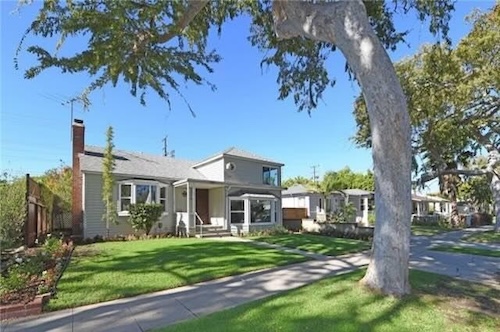
Carlson Park is one of the most classically “neighborhood” parts of Culver City with tree-lined streets, a strong single-family home character, and a calm that surprises people given how close it is to downtown. It often feels like a small-town grid tucked inside the city: morning dog walks, kids in the park, and a steady pace that stays consistent year-round. Architecturally, you’ll see a lot of traditional mid-century and pre-/postwar homes—many lovingly maintained, many thoughtfully remodeled—plus a few small multi-family properties near edges. If Downtown is your social hub, Carlson Park is where you go to decompress.
Park West (Veterans Park)
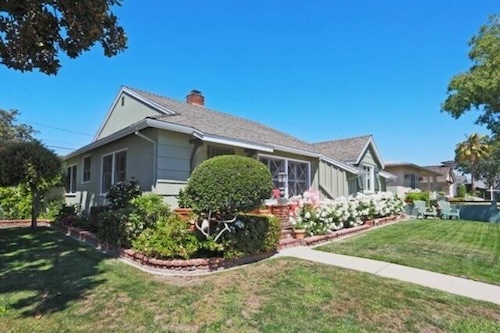
Park West is anchored by open green space and recreation, which gives the area a distinctly “livable” quality, especially for households that prioritize parks, play areas, and an easy weekend routine. The residential feel is strong, but with slightly more variety than Carlson Park depending on the block: single-family streets, duplexes, and small apartment buildings that keep the neighborhood accessible to a broader mix of residents. The lifestyle here is simple and practical, quick park time, quick errands, and a clean shot into downtown or out toward major corridors when you need to move.
Studio Village
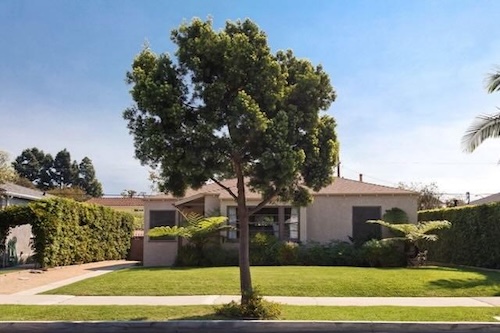
Studio Village sits in that sweet spot where Culver City’s identity feels most complete: close to studios and downtown, but still residential enough to feel like a real neighborhood rather than an extension of commercial activity. You’ll find a mix of housing types—single-family homes on calmer streets, plus condos and multi-family buildings that serve the “work nearby / live nearby” lifestyle. It’s a strong choice for people who want Culver City energy without needing to be in the center of Downtown’s activity. On the ground, it feels very “Culver” a blend of creative-industry proximity and everyday neighborhood convenience.
Sunkist Park
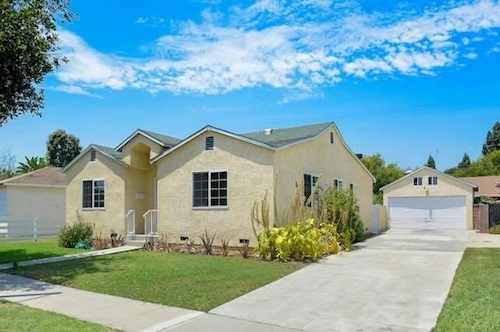
Sunkist Park is often described as one of Culver City’s most community-oriented pockets, residential, steady, and very “neighbors know neighbors.” It’s the kind of area where school runs, local parks, and block-by-block familiarity shape the vibe more than nightlife or destination dining. The housing stock tends toward traditional single-family homes, with remodels that range from subtle updates to full modern expansions. The overall feel is comfortable and family-forward, with the added benefit of Culver City’s broader access and services.
Fox Hills
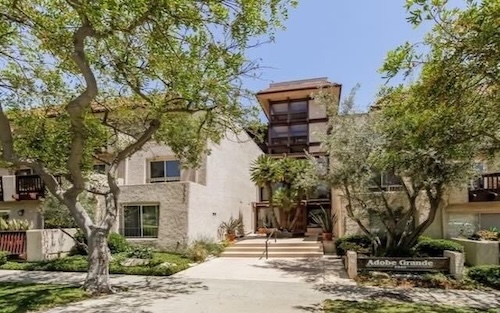
Fox Hills is one of Culver City’s most practical, inventory-rich zones, especially for buyers and renters looking for condos, townhomes, and larger multi-family communities rather than single-family streets. It feels a bit more “planned” than the older central neighborhoods, wider roads, bigger buildings, and a lifestyle that often revolves around convenience: quick shopping, quick freeway access, and straightforward commuting. It’s a strong fit for people who want the Culver City address and access to the Westside ecosystem, often at a different price point than the single-family-heavy pockets.
Culver West
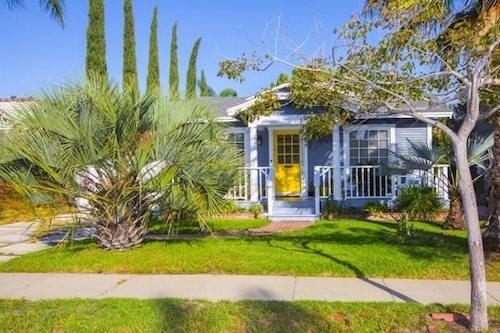
Culver West leans toward the “west-leaning” side of Culver City life, more direct access toward Venice, Marina del Rey, Playa Vista, and the coastal tech corridors. The on-the-ground vibe is residential and slightly more open, with a mix of single-family streets and multi-family options depending on the block. It often appeals to people who want Culver City services and community identity but spend a lot of their time moving west: beaches, bike paths, creative offices, and weekend coastal routines.
Blair Hills
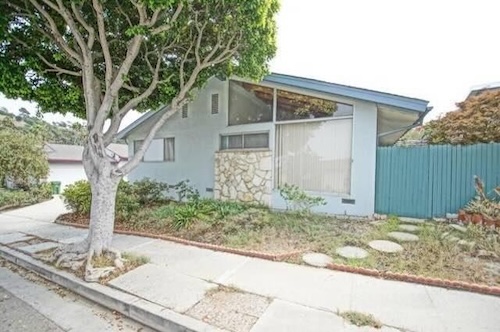
Blair Hills is Culver City’s “hillside exhale.” Streets wind, elevation changes create a more private feel, and the neighborhood reads more like a retreat than a grid. This is where you’ll see more view-oriented homes, more unique lot situations, and a broader spread of architectural expression—ranging from mid-century-influenced properties to modern rebuilds that take advantage of light and sightlines. It’s quieter, less walkable in the “grab coffee on foot” sense, but prized for privacy, a tucked-away atmosphere, and the feeling of being above the city while still minutes from it.
Blanco / Culver Crest
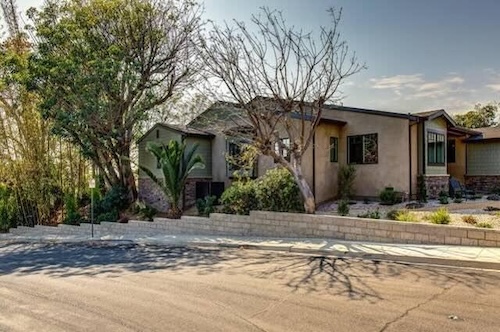
Blanco / Culver Crest sits on the eastern side and tends to feel more “neighborhood grid” than the hills, residential streets, a mix of home styles, and a straightforward day-to-day rhythm. Housing can range from older single-family homes and classic Westside rebuild patterns (renovations, additions, newer construction) to small multi-family properties near edges. It’s the kind of pocket that works well for people who want Culver City’s identity but also want easy access toward Mid-City, the 10, and the broader central L.A. network.
Washington Culver
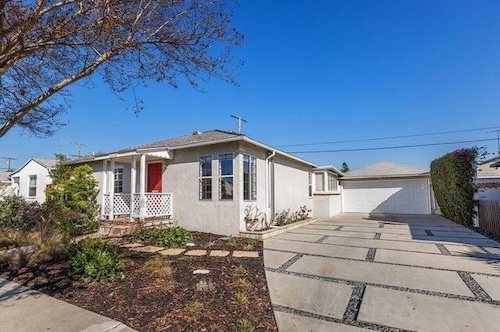
Washington Culver is one of the city’s most important “connector” zones—where Culver’s studio history, downtown energy, and commercial corridors start to overlap. The feel is more urban and mixed-use than purely residential, with pockets of homes alongside businesses, restaurants, and workplace-oriented activity. It’s a great area to describe as “Culver City in motion”—commuters, creatives, and locals all crossing paths. Housing options can include apartments and smaller multi-family buildings, with residential streets nearby that buffer the activity.
Jefferson
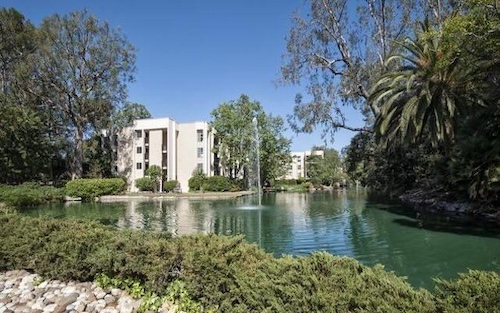
Jefferson is often discussed through the lens of access and movement: major routes, quick connectivity, and proximity to key Westside destinations. Depending on the exact block, it can read as more corridor-adjacent than park-adjacent, meaning the lifestyle is built around “easy in / easy out” commuting and quick trips. Housing tends to be mixed, with multi-family and residential pockets that benefit from Culver City’s location advantages. It’s a practical choice for buyers and renters who prioritize transportation and centrality.
Lucerne / Higuera
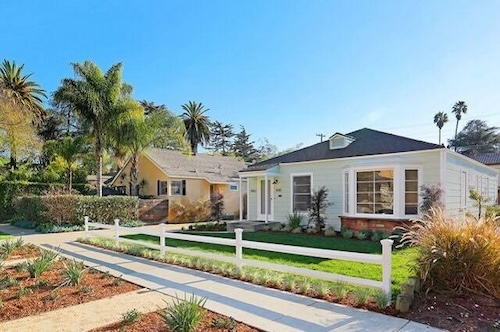
Lucerne / Higuera is a smaller, more “local’s map” pocket, useful in a guide because it signals real neighborhood granularity beyond the headline areas. On the ground, it tends to feel quietly residential, with blocks that can shift from single-family to small multi-family depending on proximity to busier streets. It’s often the type of neighborhood where residents love the “in-between” quality: close enough to downtown and corridors to be convenient, but not constantly in the middle of the action.
McManus
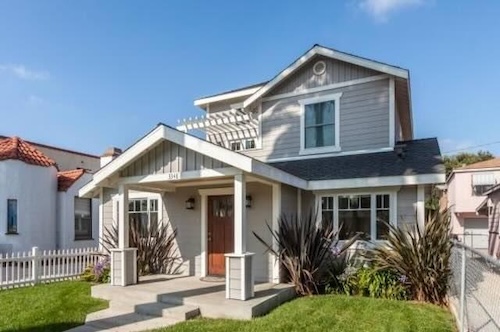
McManus reads as a quieter residential slice, less known to visitors, more meaningful to people who live in Culver City day-to-day. Think stable streets, a practical Westside layout, and a neighborhood that’s easy to explain as “Culver City without the crowds.” Housing often includes a mix of single-family homes and smaller income properties, making it appealing to both end users and long-term-minded owners.
McLaughlin
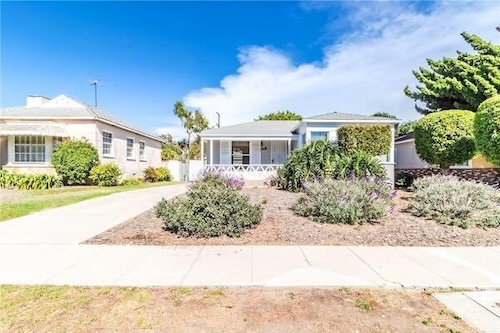
McLaughlin feels similar in spirit—an “on-the-map” neighborhood that adds depth to Culver City’s identity. It tends to be residential-first, with a consistent streetscape and a calmer pace, especially compared to Downtown or the busier corridors. It’s a good pocket to highlight for buyers who want Culver City authenticity and daily livability rather than a destination vibe.
Clarkdale
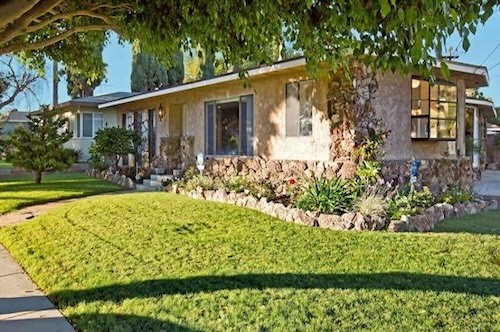
Clarkdale is another quiet, residential pocket that reinforces Culver City’s neighborhood complexity. It often appeals to people looking for an understated, stable place to live, close to the action when you want it, but not defined by it. Depending on where you are in Clarkdale, you’ll see a blend of classic homes, remodels, and small multi-family, with a general sense of “lived-in Culver City” rather than a curated district.
Architecture & housing character
Culver City’s housing mix is one of its biggest draws because it reads like a mini cross-section of L.A.:
- 1920s–40s classics: Spanish Revival, Tudor-influenced cottages, and traditional single-family streets—especially in the more established central pockets.
- Postwar neighborhoods: 1950s–60s ranch and traditional styles, plus a meaningful share of duplex/small multi-family stock.
- Condos + townhome communities: particularly prominent in Fox Hills and around key corridors.
- Design-forward modern: Culver City’s “creative industry” growth helped fuel contemporary remodels and new construction, especially near downtown and transit.
The outlier (and architecture flex): Hayden Tract
If you want one “architecture nerd” section in your guide, make it Hayden Tract—an industrial area transformed into an internationally discussed cluster of experimental buildings associated with architect Eric Owen Moss.
Special historic locations and “only in Culver City” landmarks
The Culver Hotel (1924 landmark in Downtown)
A signature downtown icon with real old-Hollywood energyon, e of the best visual anchors for any Culver City guide.
Sony Pictures Studios lot + early studio history
Culver City’s studio story runs deep, early film operations expanded here in the 1910s–20s, with major industry footprints following. The Culver City Historical Society has a deep dive into the origins of the Sony lot and early studio development.
Helms Bakery District
Helms is a true Culver City landmark, an Art Deco/Zig-Zag Moderne-era complex tied to the city’s industrial and cultural history, now a well-known design district.
Ivy Substation (1907)
A rare surviving piece of the electric railway era, built as a traction power substation and later adapted for performance use; it’s also recognized as a historic resource.
Ballona Creek
A defining geographic feature that runs through Culver City on its way to the bay, now also closely associated with multi-use path planning, mobility, and revitalization efforts.
Baldwin Hills Scenic Overlook (“Culver City Stairs”)
One of the best “nearby-but-feels-like-a-secret” lifestyle assets: stairs, trails, and panoramic views, with the park’s main entrance listed in Culver City.
Downtown energy, transit, and how people actually live here
Culver City has become one of the Westside’s most walkable “mini-downtown” scenes, and projects like The Culver Steps reinforce that plaza-forward, pedestrian vibe.
Transit-wise, Culver City is meaningfully connected via the Metro E Line corridor (with Culver City station on the E Line), which is a real quality-of-life factor for buyers who want beach-to-DTLA access without living in the densest parts of the city.
What makes Culver City stand out is how many different lifestyles it fits in one compact, connected city. You can live in the walkable energy of Downtown, tuck into classic single-family streets near Carlson Park or Sunkist Park, choose condo convenience in Fox Hills, or head for views and privacy in Blair Hills, while still staying minutes from studios, dining, parks, and Westside access. It’s a place with real neighborhood texture, a creative heartbeat, and an everyday livability that keeps demand strong across every pocket.
Leave a Reply