A timeless enclave blending classic charm, modern convenience, and Westside access
Location & Boundaries
Castle Heights is a centrally located residential neighborhood on the Westside of Los Angeles, bordered by:
- Cheviot Hills to the west
- Beverlywood to the north
- The Santa Monica Freeway (I-10) to the south and east
- Palms to the southeast, with the Palms Expo Line Station just across the border
Its proximity to Century City, Culver City, and Beverly Hills makes Castle Heights a desirable pocket for those seeking a quiet residential atmosphere with excellent commuting access.
Housing Overview & Character
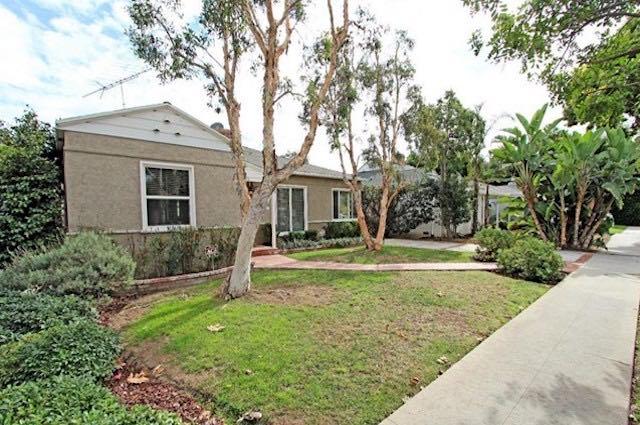
Castle Heights is known for its strong community feel and architectural cohesiveness. The neighborhood holds approximately 900 single-family homes, along with a mix of mid-century multifamily apartments and condominiums, mostly located along the southern portion near National Boulevard and Robertson Boulevard.
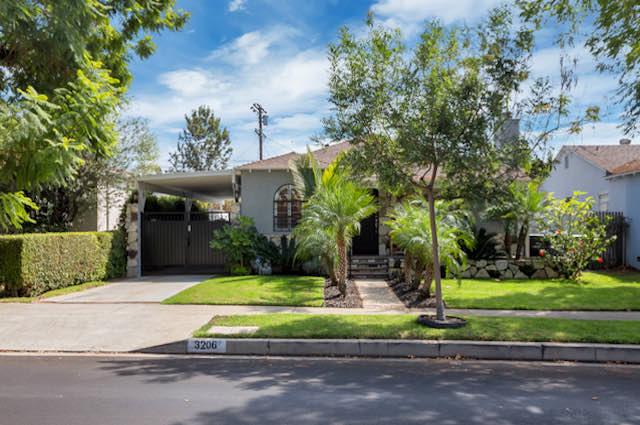
- Single-family homes: Primarily built between the 1920s and 1940s, showcasing Spanish Colonial Revival, Tudor, and Minimal Traditional styles. Homes are often one-story with charming original details, decorative tilework, red-tile roofs, arched doorways, and established landscaping.
- Multifamily housing: Developed mostly in the 1950s and early 1960s, with low-rise garden-style apartment buildings and condominium complexes featuring classic Southern California mid-century design.
- Newer construction: Though limited due to the neighborhood’s maturity, occasional remodels and tasteful rebuilds have added architectural diversity.
Castle Heights has long attracted families, professionals, and creatives who appreciate its walkability, historical charm, and access to top-rated schools.
Historical Context
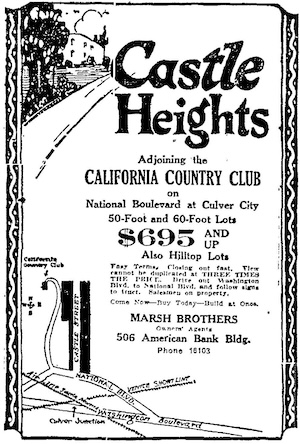
Castle Heights was established in 1922 during the early wave of suburban expansion west of Downtown Los Angeles. Its development was part of the post-World War I real estate boom, when the Westside was being subdivided into attractive neighborhoods offering “California living,” access to sunshine, yard space, and scenic views, while still being connected to growing business centers via the electric rail lines of the day.
The community’s growth coincided with the development of Cheviot Hills just to the west, and Beverlywood in the 1940s. Together, these neighborhoods formed a key part of the Westside’s rise as a desirable suburban alternative to Hollywood or Downtown. Castle Heights retained a more modest and family-friendly vibe compared to the estate-style homes in Cheviot Hills.
Many of the original homes remain, protected by a strong sense of neighborhood identity and thoughtful planning. The final phase of single-family development wrapped up around 1962, and since then, the neighborhood has seen limited change thanks to its well-defined borders and cohesive residential scale.
Transit & Accessibility
Castle Heights enjoys excellent transportation links:
- Santa Monica Freeway (I-10) offers quick east-west access to Downtown LA and the beach cities.
- The Metro E (Expo) Line runs along the southern edge, with the Palms Station within walking distance for many residents offering a direct rail link to Culver City, USC, Downtown LA, and Santa Monica.
- South Robertson Boulevard provides access to numerous local shops and services and connects north to Beverly Hills.
Shopping, Dining & Local Lifestyle
While Castle Heights is primarily residential, residents are just minutes from a wide variety of Westside attractions:
- National Boulevard Commercial Corridor: Includes essential services, cafes, and local shops.
- Downtown Culver City, The Platform, and Helms Bakery District: Just a few minutes southwest, offering world-class dining, coffee roasters, design shops, and vibrant nightlife.
- Century City Mall: Less than 10 minutes north, home to high-end retail, Equinox, Eataly, and more.
- Cheviot Hills Recreation Center & Park: A sprawling public park with sports fields, tennis courts, playgrounds, and a community center.
- Robertson Boulevard: A growing corridor of kosher bakeries, Israeli cafes, and boutique retail.
- Palms & Mar Vista Farmers Markets: Easy Saturday and Sunday access to fresh produce and food trucks.
Schools & Community
Castle Heights is served by Castle Heights Elementary School, a highly regarded LAUSD campus with a long-standing reputation for community involvement and academic performance. The neighborhood’s strong sense of civic pride and participation in local events contributes to its family-friendly atmosphere.
Private school options nearby include:
- Overland Elementary (adjacent neighborhood)
- Brawerman East, New Roads School, Wildwood School, and others within short driving distance.
Community Feel
With its tree-lined streets, sidewalks, and historic architecture, Castle Heights offers a residential escape in the heart of the city. The blend of well-preserved homes and welcoming neighbors makes it feel like a small-town village tucked inside the Westside’s urban core.
The neighborhood is supported by active local associations and community councils, many of which work to preserve the charm and quality of life that make Castle Heights so unique.
Real Estate Highlights
While Castle Heights is known for its single-family homes, there is a modest but important inventory of condominiums and multi-family communities that complement the housing mix. These often include:
- Classic 1960s garden-style buildings
- Small condo conversions
- Low-density mid-century fourplexes
These communities are ideal for buyers seeking Westside access, charm, and convenience in a more attainable price range than neighboring Beverly Hills or Cheviot Hills.
Summary
Castle Heights offers a rare combination of historical character, central location, peaceful streets, and modern connectivity. Whether you’re seeking a charming Spanish Revival home, a mid-century condo, or access to Metro and top-rated schools, Castle Heights blends the best of old and new LA living.
Leave a Reply