
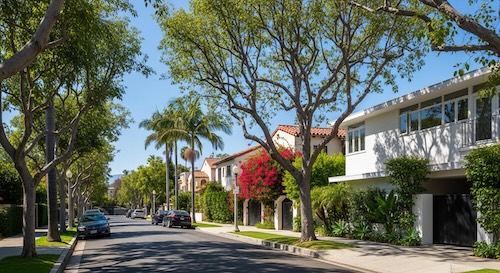
The West LA neighborhood is situated east of the 405 and north of the 10, roughly south of Santa Monica Boulevard, north of Pico Boulevard, and between Sepulveda and Beverly Glen. Wedged between Westwood and UCLA to the north, Century City to the east, and Rancho Park/Cheviot Hills to the south, this slice of West LA is classic “central Westside”: quiet residential streets, strong freeway and transit access, and everyday amenities close at hand.
History: From postwar suburb to central Westside crossroads
While the name West Los Angeles has floated around the Westside for over a century, the current neighborhood east of the 405 took shape primarily in the 1940s–1960s, as Los Angeles pushed west and south from Westwood and Beverly Hills. Early maps and city planning documents show this area filling in with single-family tracts and small apartment buildings to serve growing employment centers at Century City (on the former Fox backlot) and in Westwood.
By the late 1960s, homeowners organized into associations like Westwood South of Santa Monica Boulevard, carved out between Santa Monica and Pico, Sepulveda and Beverly Glen. Their goal was to preserve a stable, low-rise residential character even as traffic and development pressure increased around the neighborhood.
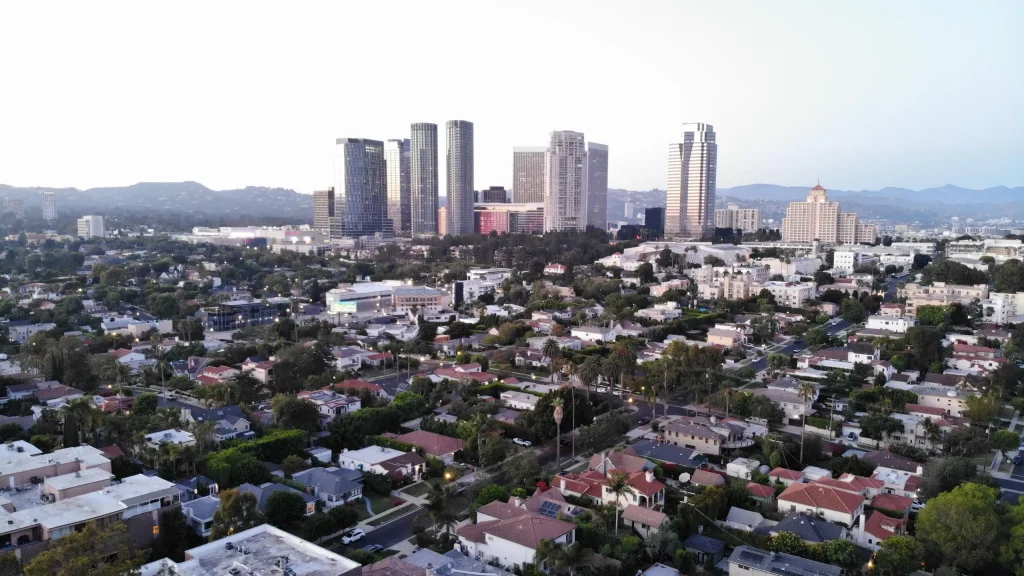
Today, the area feels like a “marooned rump” of old West LA, as one L.A. Times writer put it, no longer stretching to the ocean, but still in the middle of everything, bordered by major destinations on almost every side while maintaining a surprisingly hometown feel on its interior blocks.
Boundaries & overall character
Using your definition and the LA Times mapping:
- North: Santa Monica Boulevard
- South: Pico Boulevard and the 10 Freeway
- West: Sepulveda Boulevard / 405 corridor
- East: Beverly Glen Boulevard
Within those lines, West LA is a compact grid of:
- Tree-lined residential streets with mostly one- and two-story homes
- Low-rise condos and apartments sprinkled in, especially closer to Pico and along Westwood Blvd
- Neighborhood commercial nodes along Pico, Westwood, and Olympic, with cafés, markets, and services
You get a very “everyday livable” mix: not a tourist district, but a place where you can walk to coffee, grab groceries, and be on two freeways or in Century City within minutes.
Housing & Architecture
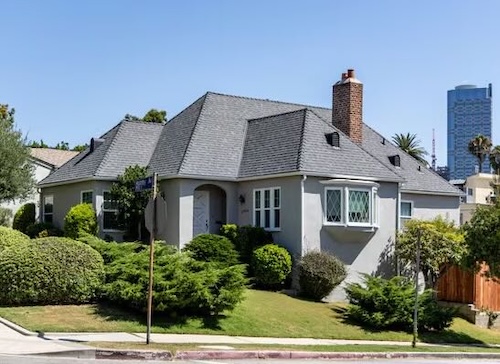
The housing stock here leans heavily postwar with pockets of older charm and newer infill:
- Single-family homes from the 1940s–1960s, especially in Westwood South of Santa Monica and Century Glen, many built as traditional ranch or modest Spanish/Transitional homes on 5,000–7,000 sq ft lots.
- Spanish Revival and early traditional cottages, often with original tile roofs, arched entries, and wood windows, survive on some of the older streets closer to Pico and along the Westwood corridor.
- Low-rise condos and small apartment buildings, mostly along Pico, Olympic and Westwood, provide more affordable entry points and investment options while keeping overall heights modest.
- Newer custom homes and contemporary remodels, especially in Century Glen and Westwood South, where original ranch houses have been reimagined as Cape Cod, modern farmhouse, or clean-lined contemporary residences with open plans and indoor/outdoor living.
Architecturally, this side of West LA is less about one marquee style and more about that comfortable Westside mix: mature shade trees, sidewalks, and a range of homes that tell the story of postwar L.A. growth.
Micro-Neighborhoods inside West LA
Westwood South of Santa Monica
Westwood South of Santa Monica Boulevard (WSSM) is the best-defined micro-neighborhood inside West LA. Bounded by Santa Monica (north), Pico (south), Sepulveda (west), and Beverly Glen (east), it’s a well-organized HOA area with roughly 3,800 households.
Character highlights:
- Mostly single-family R1 lots with postwar ranches, Spanish bungalows, and tasteful remodels.
- A quiet, residential vibe despite being boxed in by major boulevards and near two freeways.
- Strong community involvement on traffic, zoning, and neighborhood quality-of-life issues.
Westwood South is where you feel that “tucked-away, old-LA” atmosphere, even though Century City, UCLA, and the 405 are all minutes away.
Century Glen
On the eastern edge, Century Glen sits between Santa Monica and Pico and between Beverly Glen and Century Park West/Fox Hills, directly adjoining Century City.
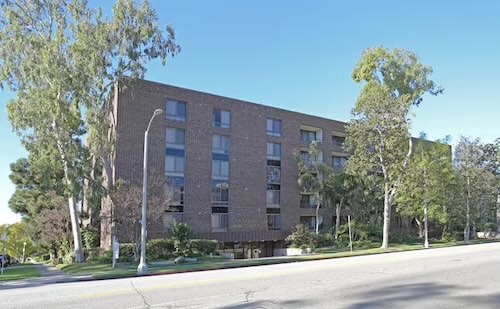
Key features:
- Calmer, residential streets a block or two from office towers, the Westfield Century City mall, Fox Studios, and now the One Westside tech/office campus at the former Westside Pavilion.
- Housing mix of single-family homes, small condos, and apartments, many with updated interiors, private yards, and off-street parking.
- A long-running HOA known for traffic calming, permit parking, and maintaining a quiet, suburban character at the edge of a major business district.
Century Glen is ideal for buyers who want “walk to Century City, sleep in a neighborhood.”
Pico–Olympic / “West LA Flats”
Between Pico and Olympic, from Sepulveda to Beverly Glen, you’ll find what many locals think of as the “West LA flats” a patchwork of:
One- and two-story homes, some still in near-original mid-century condition, others rebuilt in traditional or contemporary styles.
Duplexes, fourplexes, and small apartment buildings, especially close to Pico and Westwood, offering more attainable rental options and investment properties.
Pico here functions as a neighborhood main street, with small markets, casual restaurants, and services, while Olympic carries more commuter traffic. The feel is everyday and unpretentious, a place people actually live, not a destination district.
Lifestyle, Dining & Daily Conveniences
West LA doesn’t have the crazy restaurant density of, say, Sawtelle or Beverly Hills, but it’s well-served by nearby corridors:
- Westwood Boulevard (southern stretch) – Linking Pico to Santa Monica, it’s lined with Persian and Mediterranean restaurants, cafés, and neighborhood services, and connects directly to Westwood Village to the north.
- Pico Boulevard – A mix of local eateries, coffee shops, and small businesses, plus quick access east into Pico-Robertson or west toward Rancho Park and Palms.
- Century City / Westfield – Just across the eastern boundary, the Westfield Century City mall brings upscale dining, luxury retail, and entertainment options within a few minutes’ drive or walk from Century Glen.
For day-to-day life, residents lean on a network of supermarkets, pharmacies, gyms, and professional services spread along Santa Monica, Pico, Olympic, Westwood, and Beverly Glen, a big part of the area’s appeal is how easy it is to handle errands without leaving the neighborhood.
Parks, Schools & Recreation
Within your defined West LA, there aren’t huge parks, but residents are surrounded by nearby green space and recreation:
- Just north of Santa Monica, Westwood Park and Westwood Recreation Center offer fields, courts, playgrounds, and community programs easily accessible from West LA’s residential streets.
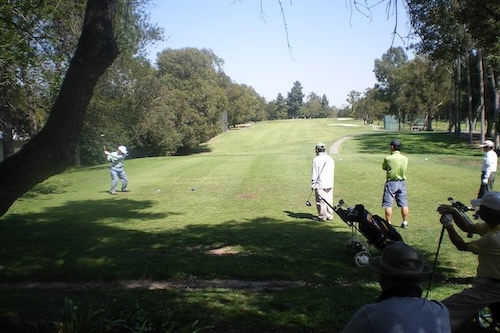
- To the south and southwest, residents are a quick hop from Rancho Park Golf Course, Cheviot Hills Recreation Center, and other Westside parks.
The neighborhood falls under Los Angeles Unified School District, with local elementary and middle schools feeding into Westside secondary options, plus proximity to UCLA and other higher-education campuses.
Getting Around
One of West LA’s biggest strengths is connectivity:
- Freeways: Immediate access to the 405 (via Santa Monica, Wilshire, Olympic, and Pico) and quick access south to the 10.
- Major arterials: Santa Monica, Pico, Olympic, Beverly Glen, Sepulveda, and Westwood Boulevard all pass through or border the neighborhood.
- Transit: Multiple bus lines run along the boulevards, and the neighborhood is a short drive or bike ride from Expo Line (E Line) stations at Rancho Park/Westwood and Palms, connecting to Santa Monica and Downtown.
It’s the classic “15–20 minutes to everything on the Westside” location. Beaches, Beverly Hills, Culver City, and Hollywood are all reasonably accessible.
Who West LA is for
This slice of West LA tends to attract:
- Buyers who want central Westside access without the intensity or pricing of Beverly Hills or Brentwood.
- Professionals and UCLA/ Century City/Westwood Village commuters who value short daily trips.
- House-hunters seeking single-family neighborhoods with a real community structure (HOAs like Westwood South and Century Glen) and a stable, low-rise feel.
Leave a Reply